
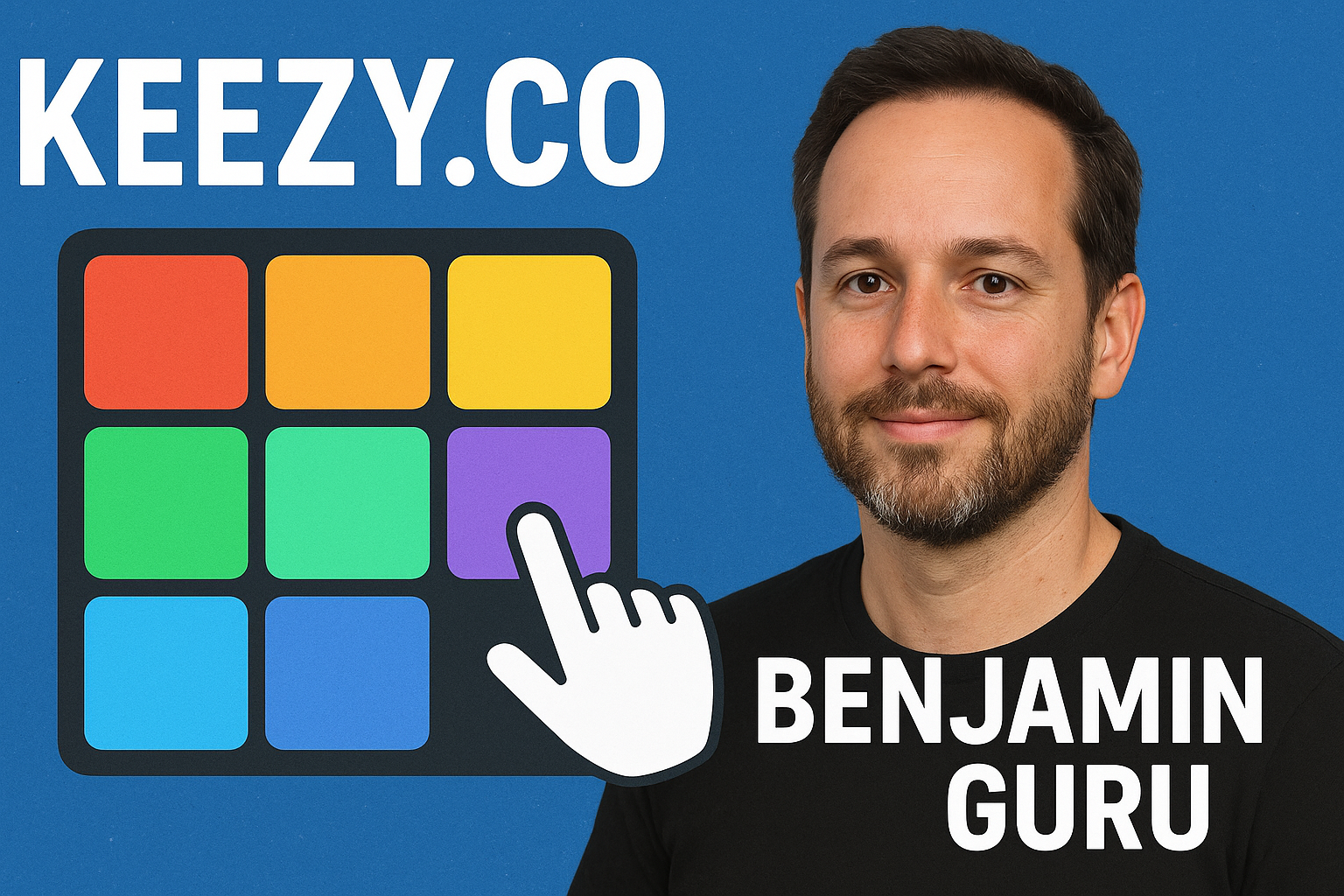

In a world overflowing with complex software and cluttered interfaces, simplicity has become a luxury. That’s where Keezy.co stands out — a digital platform that transformed how musicians, creators, and everyday users express themselves. Behind this innovation is Benjamin Guru, a creative mind known for designing simple yet powerful tools that bring music and sound creation to everyone’s fingertips.
This article dives deep into the story of Keezy.co, the vision of Benjamin Guru, and how their innovation has reshaped digital creativity.
Who Is Benjamin Guru?
Benjamin Guru is not your typical tech entrepreneur. He’s an innovator who believes technology should empower creativity — not complicate it. With a background in music and design, Guru started experimenting with apps that blend fun and function.
His philosophy is simple: make tools that anyone can use, regardless of skill level. This belief gave birth to Keezy, a platform that’s both playful and practical.
What Is Keezy.co?
Keezy.co is an online home for creative tools developed by Benjamin Guru and his team. The most popular product, Keezy, is a colorful, touch-based soundboard app that lets users record sounds and play them instantly.
Instead of long tutorials or complicated controls, Keezy focuses on instant creativity — just tap, record, and play. This simplicity turned it into a favorite among musicians, educators, and even kids.
The Story Behind Keezy
Every great idea starts with a simple question. For Benjamin Guru, it was:
“Why should music creation be limited to professionals?”
He wanted to break down the barriers between creativity and technology. Keezy was born out of that vision — an app that turns your smartphone or tablet into a fun, intuitive music playground.
How Keezy Works
Keezy’s concept is brilliantly simple. You see colorful tiles on your screen, each representing a sound pad. You can record anything — your voice, a beat, a note, or even a random sound — and play it back instantly by tapping the tile.
This design makes it possible for anyone to create music without any prior experience. No studio. No instruments. Just pure creativity.
Why Keezy.co Became So Popular
1. Simplicity at Its Core
Keezy doesn’t overwhelm you with features. It gives you exactly what you need to have fun with sound.
2. Accessibility for Everyone
From children to professional musicians, anyone can use it.
3. Viral Appeal
Social media creators and YouTubers started showcasing Keezy, bringing it to millions of new users.
4. Designed for Inspiration
The Benjamin Guru’s design philosophy ensures that every sound feels personal and engaging.
Benjamin Guru’s Vision for Creativity
Benjamin Guru has always said that creativity should be spontaneous and joyful. He believes tools should not limit creativity with rules or technical jargon. Instead, they should open doors.
Keezy.co embodies that mindset — it’s playful, inclusive, and endlessly inspiring.
Other Projects by Keezy.co
While Keezy is the flagship app, Benjamin Guru’s team has worked on several related experiments focused on sound and visual creativity. Each project stays true to the company’s mission: making art more approachable.
Examples include:
- Keezy Drummer – A rhythmic companion app for creating beats.
- Keezy Studio (Beta) – A web-based environment for layering sounds easily.
These apps prove that Keezy.co is more than just an app company — it’s a movement towards accessible creativity.
Keezy in Education
Teachers worldwide use Keezy in classrooms to introduce children to sound, rhythm, and music. It’s simple enough for a five-year-old but versatile enough for adults to create meaningful projects.
This educational success highlights Benjamin Guru’s broader mission — empowering imagination across all ages.
The Design Philosophy of Keezy.co
Every pixel, sound, and motion in Keezy is crafted with care. Guru’s team follows these principles:
- Minimalist Interface
- Playful Interactions
- Instant Feedback
- Inclusive Design
Keezy is not about perfection; it’s about expression.
How Keezy Influences the Music Industry
Many modern producers cite Keezy as a source of inspiration. By removing the complexity from music creation, it encourages more people to experiment — and that’s where innovation truly begins.
Even professional artists use Keezy for brainstorming sounds before moving into full production environments.
Benjamin Guru: The Future Ahead
What’s next for Benjamin Guru and Keezy.co? Insiders suggest he’s exploring AI-driven sound experiences and collaborative music tools that connect creators globally.
With technology evolving rapidly, Keezy’s next generation could revolutionize how we think about interactive music once again.
The Legacy of Keezy.co
Keezy.co represents a philosophy, not just a product. It reminds us that creativity doesn’t have to be complicated. Sometimes, all it takes is curiosity — and a tap on a colorful square.
Through his work, Benjamin Guru has built more than an app; he’s built a community of creators inspired to make art their own way.
Conclusion
At its heart, Keezy.co and Benjamin Guru’s story is about democratizing creativity. By blending simplicity with innovation, they’ve changed how people approach sound and music.
From classrooms to studios, Keezy continues to inspire a generation to experiment, create, and share their unique voices.
Whether you’re a musician, teacher, or casual creator, Keezy.co proves that everyone has music inside them — they just need the right tool to let it out.
FAQs
1. What is Keezy.co?
Keezy.co is a creative platform developed by Benjamin Guru, offering simple, user-friendly music and sound-making apps.
2. Who created Keezy?
Keezy was created by Benjamin Guru, a developer and designer focused on accessible creativity.
3. Is Keezy free to use?
Yes, the Keezy app offers free versions for most devices.
4. Can professionals use Keezy?
Absolutely! Many musicians use Keezy as a tool for quick sound ideas or inspiration.
5. Where can I find more about Benjamin Guru?
You can learn more through Keezy.co’s official website and social media channels, where updates about new projects are shared.


