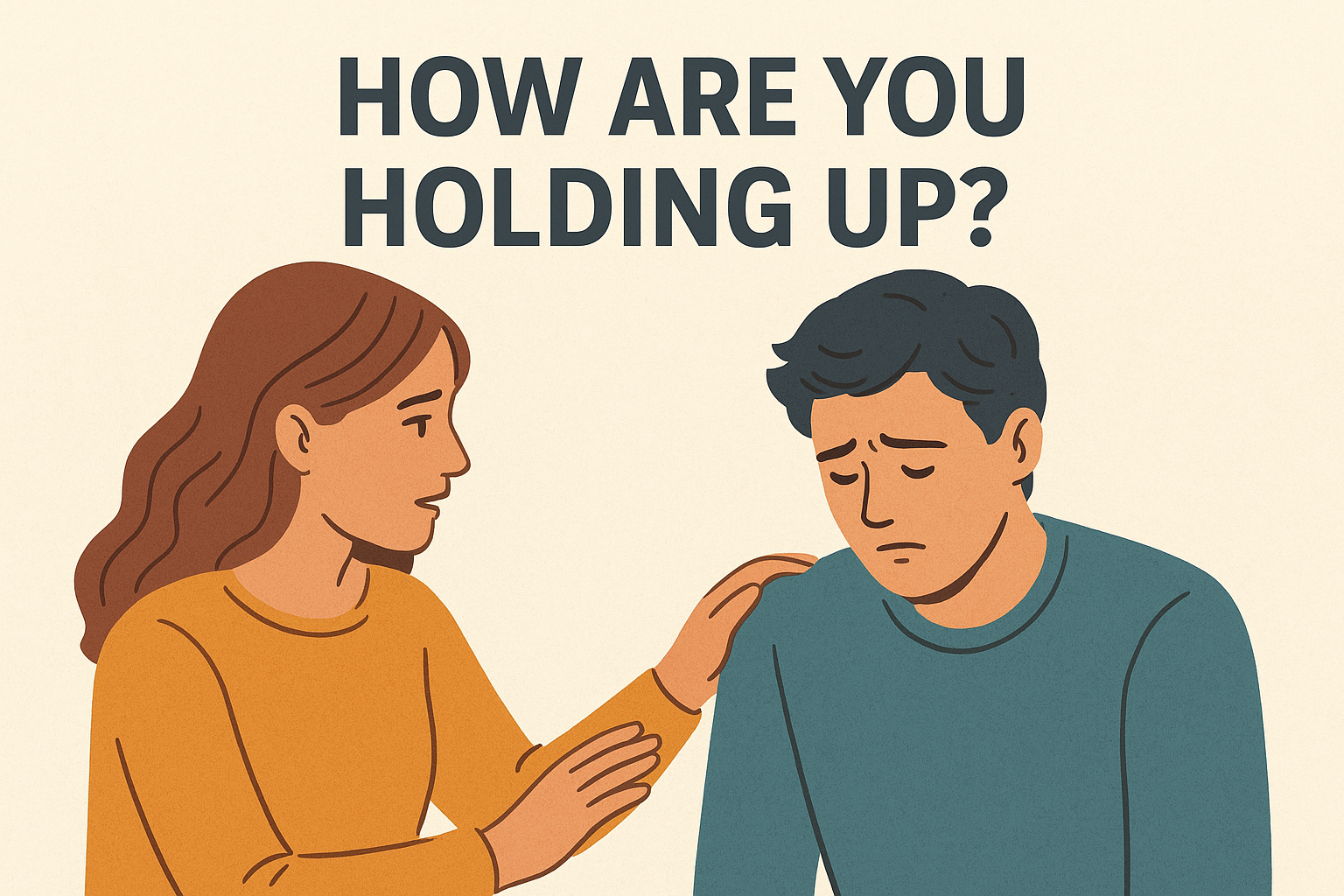

When someone asks “How are you holding up?”, they’re not asking a casual, everyday question. This phrase is deeper, more emotional, and usually tied to a tough situation. You might hear it when life feels heavy, stressful, or overwhelming. It’s a way for someone to check in and show they genuinely care.
Why This Phrase Matters
Unlike “What’s up?” or “How are you?”, this question signals concern and empathy. It shows the person asking really wants to know how you’re managing.
When You Usually Hear It
You typically hear this phrase after something difficult happens—like loss, stress, illness, or emotional struggle.
What “How Are You Holding Up?” Really Means
Emotional Check-In
The phrase is a gentle way of asking how you’re handling a challenging situation emotionally.
Showing Support and Empathy
It says, “I care about you,” without needing long explanations or formal language.
Not a Casual Greeting
This isn’t for small talk. It’s used when someone knows you’re facing something tough.
When People Use “How Are You Holding Up?”
During Difficult Times
If you’re going through a tough phase—work stress, mental pressure, or family issues—someone may ask this.
After Bad News or Stressful Events
People often use it after hearing something unfortunate like job loss, illness, or a breakup.
When Someone Looks Emotionally Down
If your mood seems off, someone might ask this to check on you.
How to Respond
Your response depends on how much you want to share.
Honest Responses
- “Honestly, it’s been hard, but I’m managing.”
- “I’m struggling, but I’m trying.”
Neutral Responses
- “I’m doing okay, taking things one day at a time.”
Positive Responses
- “Better than before. Thanks for asking!”
Responses When You Don’t Want to Share Much
- “I’m holding up, thank you.”
- “I appreciate you asking. I’m managing.”
Examples of the Phrase in Real-Life Situations
Work-Related Stress
If you’re overloaded with tasks, your coworker may say:
“I know this project is stressful. How are you holding up?”
Health Problems
When you’re recovering from illness or surgery:
“It’s been a tough week. How are you holding up?”
Relationship Struggles
During heartbreak or arguments:
“Breakups are rough. How are you holding up?”
Personal Loss
After a loved one passes:
“I’m so sorry for your loss. How are you holding up?”
Similar Phrases
“Are You Doing Okay?”
A softer, more general check-in.
“How Are You Coping?”
Directly asks about emotional resilience.
“Do You Need Anything?”
Shows active willingness to help.
Is It Formal or Informal?
When to Use It at Work
Appropriate when a colleague is going through something serious, not for everyday office chats.
When to Use It with Friends or Family
Perfect for showing real emotional support and concern.
Common Mistakes When Using the Phrase
Using It Too Casually
Don’t use it as a replacement for “How are you?” unless you know the person is facing difficulty.
Asking Without Being Prepared to Listen
If you ask, be ready to offer support.
Why This Phrase Is So Emotionally Important
Helps People Feel Seen
It reminds someone they’re not alone in their struggle.
Encourages Open Communication
It opens the door for honest, meaningful conversation.
Conclusion
The phrase “How are you holding up?” carries warmth, care, and true concern. It goes beyond casual greetings and encourages deeper emotional connection. Whether you’re using it or responding to it, understanding its meaning helps strengthen relationships and shows empathy in moments when it’s needed most.
FAQs
1. Is “How are you holding up?” formal or informal?
It’s generally informal but can be used in professional situations involving emotional difficulty.
2. Can you ask this question to anyone?
Yes, but use it only when the person is dealing with something tough.
3. What does the phrase imply?
It implies concern and asks how someone is emotionally managing.
4. Is it okay to respond briefly?
Yes, especially if you’re not comfortable sharing details.
5. Can it replace “How are you?”
No, because it’s meant for serious or emotional situations.