
The human body reacts in various ways to trauma, particularly to the brain. One such response that has drawn attention in medical research and sports medicine is the fencing response. Often misunderstood, this physical reaction is an important indicator of brain injury and can provide crucial insights into the severity and type of trauma experienced. In this article, we will explore what the fencing response is, what causes it, how to recognize it, and why it is medically significant.
What Is the Fencing Response?
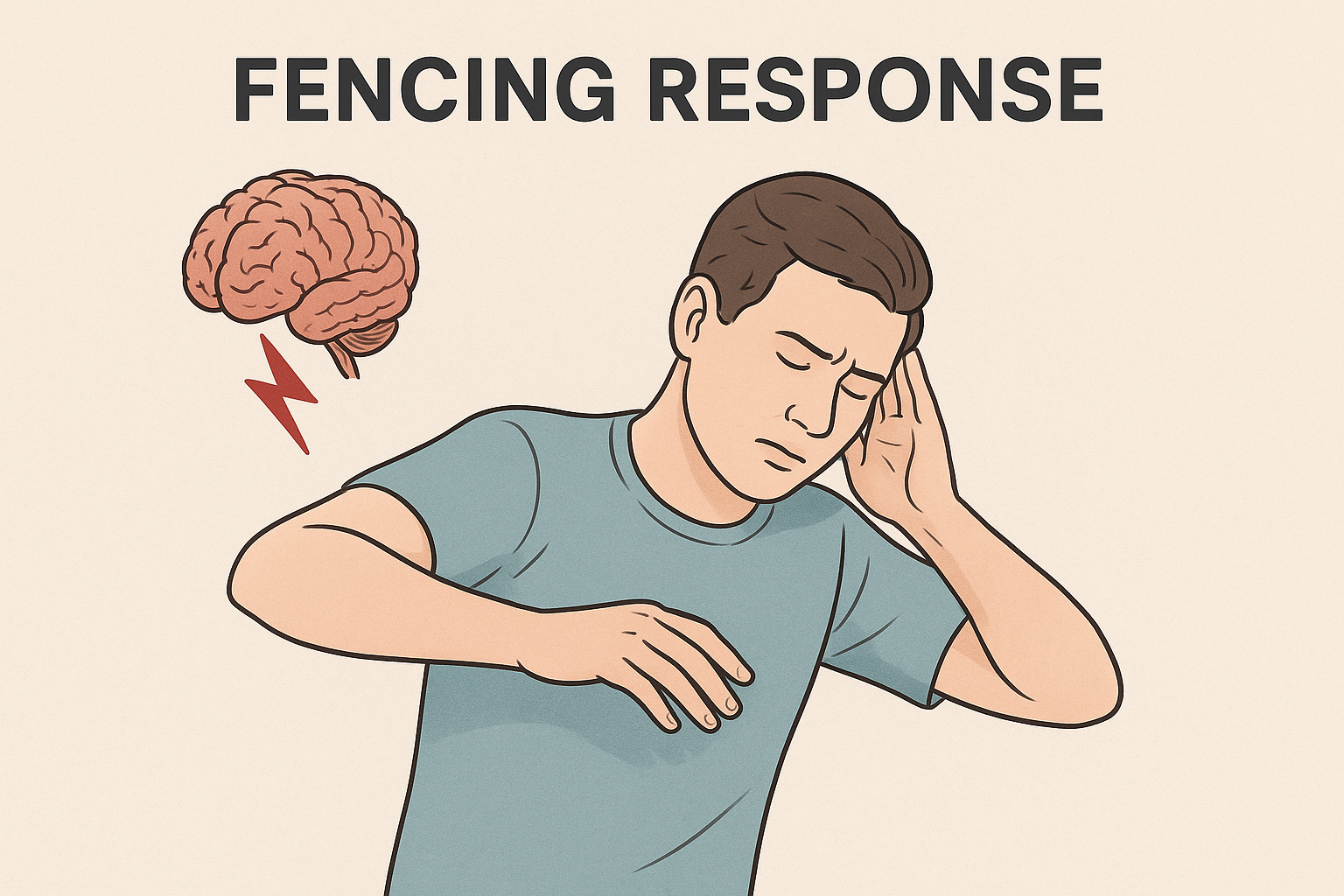
The fencing response is an involuntary physical reaction that occurs immediately following a traumatic brain injury (TBI), usually from a forceful impact to the head. When it occurs, an individual may display a peculiar posture: one arm is extended straight out, while the other is flexed at the elbow, often with the hand near the face. The posture resembles that of a fencer, which is where the response gets its name.
This response typically lasts only a few seconds but is striking and unusual enough to be recognized by witnesses and medical professionals. The fencing response is classified as a neurological reflex, demonstrating how the brain and nervous system respond instinctively to sudden trauma.
Causes of the Fencing Response
The fencing response is most commonly associated with traumatic brain injuries, particularly those involving the brainstem, the lower part of the brain responsible for regulating motor functions and basic bodily reflexes. Here are the main causes:
- Impact Trauma to the Head
A sudden blow to the head, such as during a fall, car accident, or sports collision, can trigger the fencing response. The force may disrupt normal brain activity and temporarily impair the neural pathways controlling muscle movement. - Concussion
The fencing response is often seen in conjunction with concussions, a mild form of traumatic brain injury. While not every concussion will produce this response, its presence usually indicates a significant mechanical force was involved. - Severe Brain Injuries
In some cases, the fencing response may also occur with more severe injuries, including diffuse axonal injury, which involves widespread damage to brain fibers. This is why medical evaluation is crucial when the response is observed.
Recognizing the Fencing Response
Recognizing the fencing response can be vital for timely medical intervention. Key signs include:
- Uncontrolled Arm Movements: One arm extends outward while the other flexes in toward the chest.
- Temporary Posture: The posture may only last a few seconds to a minute but is involuntary.
- Loss of Consciousness or Dazed State: Often, the response occurs alongside confusion, dizziness, or a brief loss of consciousness.
- No Pain or Intentional Movement: Unlike normal reactions to pain or stimuli, this response is automatic and not under the individual’s control.
Witnesses should understand that although the posture may look dramatic, the person is not faking it. Immediate medical attention is essential, as the response signals that the brain has experienced significant trauma.
Medical Significance of the Fencing Response
The fencing response is more than a curious posture—it carries medical significance:
- Indicator of Brainstem Involvement
The presence of the fencing response suggests that the brainstem has been affected. Since the brainstem controls vital functions such as breathing, heart rate, and consciousness, any injury in this area requires careful monitoring. - Predicting Severity of Injury
While not all traumatic brain injuries cause the fencing response, its occurrence often correlates with a higher energy impact. This can help doctors assess the severity of the injury and the potential for complications. - Sports Medicine and Safety
Athletes, particularly in contact sports like football, hockey, and boxing, may display the fencing response after collisions. Recognizing it promptly allows trainers and medical staff to remove athletes from play and prevent further injury. - Emergency Response Awareness
For emergency responders and bystanders, identifying the fencing response can guide immediate care decisions. Although it does not replace medical assessment, it serves as a warning sign that the person has experienced significant brain trauma.
Treatment and Management
Managing a patient who exhibits the fencing response primarily involves addressing the underlying traumatic brain injury. Key steps include:
- Immediate Medical Evaluation: Anyone showing the fencing response should be evaluated by healthcare professionals, ideally in an emergency setting. Imaging tests such as CT scans or MRIs may be required to assess internal brain damage.
- Monitoring Vital Signs: Because brainstem involvement can affect breathing and heart rate, continuous monitoring is essential.
- Concussion Protocols: In sports settings, strict concussion protocols are followed, including rest, gradual return to activity, and symptom monitoring.
- Supportive Care: Pain management, hydration, and cognitive rest are important to support recovery. In more severe cases, neurosurgical intervention may be necessary.
Distinguishing the Fencing Response from Other Conditions
It is important to distinguish the fencing response from other neurological or muscular conditions, such as:
- Seizures: Seizures involve uncontrollable, repetitive movements of the entire body, whereas the fencing response is a short-lived, distinct posture.
- Stroke: Stroke symptoms usually include sudden weakness or paralysis on one side of the body, speech difficulties, and facial drooping.
- Normal Startle Reflexes: Startle reactions can cause sudden movements, but they are generally brief, symmetrical, and less pronounced.
Why Awareness Matters
Understanding and recognizing the fencing response has several benefits:
- Timely Medical Intervention: Early recognition can lead to faster treatment and potentially better outcomes for brain injury patients.
- Education in Sports and Schools: Coaches, trainers, teachers, and parents who understand this response are better prepared to act appropriately when accidents occur.
- Research and Prevention: Studying the fencing response helps researchers understand the mechanics of brain injury and develop preventive measures, particularly in high-risk environments like sports and military settings.
Conclusion
The fencing response is a fascinating yet serious phenomenon that highlights the complexity of the human nervous system. Its occurrence is a clear indicator of traumatic brain injury and should never be ignored. Whether seen in sports, accidents, or other trauma-related scenarios, recognizing the fencing response can be life-saving and plays a crucial role in the assessment and management of brain injuries.
By raising awareness of this neurological reflex, we not only improve immediate response to injuries but also contribute to better long-term care and understanding of brain health.
FAQs About the Fencing Response
Q1: Is the fencing response permanent?
No, the fencing response is temporary, usually lasting only a few seconds or minutes immediately after the injury. However, the underlying brain injury may have lasting effects.
Q2: Can children show the fencing response?
Yes, children can exhibit the fencing response after head trauma. Pediatric brain injuries require careful evaluation, as children’s brains are still developing.
Q3: Should someone who shows the fencing response go to the hospital immediately?
Absolutely. Any individual displaying this response has likely sustained significant head trauma and should receive immediate medical attention.
Q4: Is the fencing response the same as a seizure?
No, seizures involve prolonged and often repetitive convulsions, whereas the fencing response is a short-lived, distinct posture involving one arm extended and the other flexed.
Q5: Can wearing protective gear prevent the fencing response?
Protective gear, such as helmets in sports or construction, can reduce the risk of severe head trauma and, consequently, the fencing response. However, it cannot completely eliminate the possibility.
This article provides a comprehensive overview of the fencing response, its causes, recognition, and medical importance, emphasizing the need for awareness and proper medical care.